Liquid Shingles: Which Sprayed Roof System Fits Which Roof
There is no single liquid roofing product that is right for every deck. OR-80SLM Silver Lining Membrane, OR7K, Flak Jacket 1, and Alasta Seal each solve a different roof problem — and 7001 Primer decides whether any of them will stick. This site is the selection guide: substrate by substrate, spec by spec.
Get the System Spec'd for Your DeckFour Decisions That Pick the System
What Is the Deck Made Of?
Metal, TPO, EPDM, modified bitumen, concrete, plywood, and spray foam all bond differently. Substrate is the first filter and it is usually answered by primer choice rather than membrane choice — 7001 Primer is what makes one membrane work across all of them.
Does Anyone Walk on It?
A roof nobody touches and a roof with a service path to four rooftop units are different specifications. Foot traffic, tool drops, and hail all push you from a standard membrane thickness into Flak Jacket 1 in the affected zones.
Is Water Standing on It?
If the roof ponds, a membrane alone treats the symptom. Tapered closed-cell spray foam under the membrane rebuilds slope and adds R-value at the same time — the same foam-and-coat assembly used on industrial roofs for decades.
How Much Does the Structure Move?
A concrete deck barely moves. A metal panel run moves visibly. A trailer or RV roof going down the highway moves constantly. Elongation and tear strength — not just waterproofing — are what separate the right product from the wrong one here.
Substrates in the Range
Every one of these has a different prep sequence and a different primer call. The membrane is often the easy part.
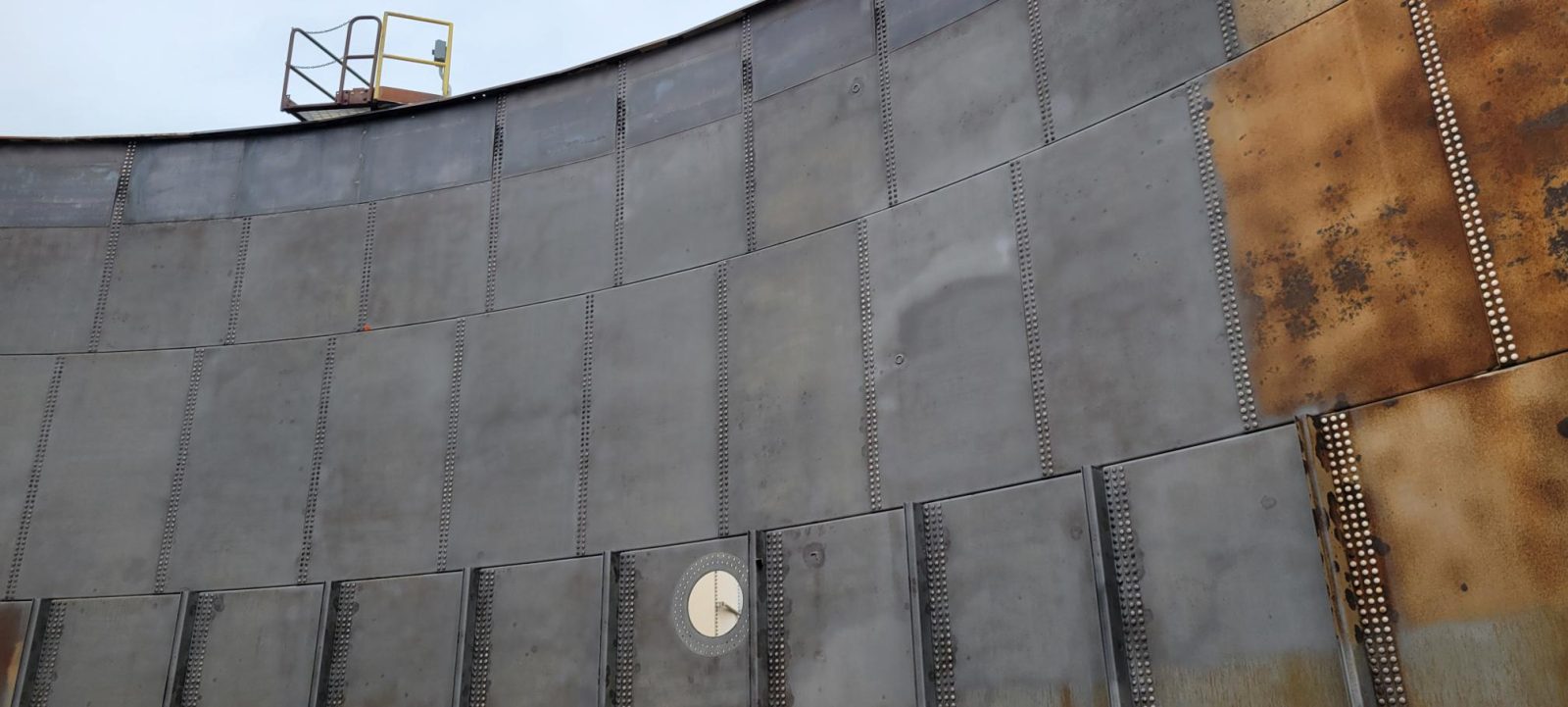
- Metal panel & standing seam
- TPO, PVC & EPDM single-ply
- Built-up & modified bitumen
- Concrete & lightweight decks
- Spray polyurethane foam roofs
- Plywood & OSB decks
- Asphalt shingle (low-slope)
- RV, trailer & manufactured homes
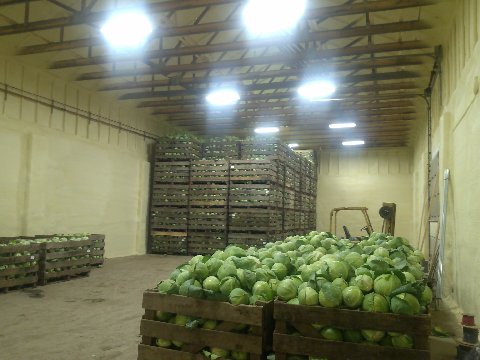
- Agricultural & cold-storage roofs
- Roof decks & walkable surfaces
The Range at a Glance
Five products cover essentially every liquid roofing job. Here is the short version of what each one is for.
Quick Selection Table
| Property | Value |
|---|---|
| Commercial metal roof, no traffic | 7001 Primer + OR-80SLM @ 40–60 mil |
| Metal roof with service walkways | OR-80SLM field + FJ1 @ 80–100 mil in lanes |
| Ponding low-slope roof | Tapered closed-cell foam + OR-80SLM @ 60 mil |
| TPO / EPDM restoration | 7001 Primer + OR-80SLM @ 50 mil |
| Built-up or mod-bit roof | 7001 Primer (bleed-block) + OR-80SLM @ 60 mil |
| Concrete deck / plaza | CSP 3–5 profile + OR7K or OR-80SLM @ 60–80 mil |
| Existing spray foam roof | Re-surface + OR-80SLM @ 60 mil minimum |
| RV, camper, travel trailer | 7001 Primer + Alasta Seal |
| Manufactured / mobile home | Alasta Seal, or OR-80SLM @ 40–50 mil on metal |
| Parapets, curbs, penetrations | OR7K @ 60–80 mil, tied into field membrane |
| Hail-belt exposure | FJ1 in exposed field, OR-80SLM elsewhere |
| High-velocity hurricane zone | OR-80SLM — Miami-Dade approved |
Why the Range Exists
Every liquid roofing company would prefer to sell one product. One SKU, one data sheet, one training class. The reason we do not is that roofs disagree with each other about what they need.
A concrete plaza deck and a travel trailer roof are both "roofs." One is a rigid mass that moves almost not at all and gets walked on constantly; the other is a lightweight skin that flexes every mile of highway and never sees a footstep. A product tuned for one is actively wrong for the other, and the failure shows up as either cracking or wear-through depending on which mistake you made.
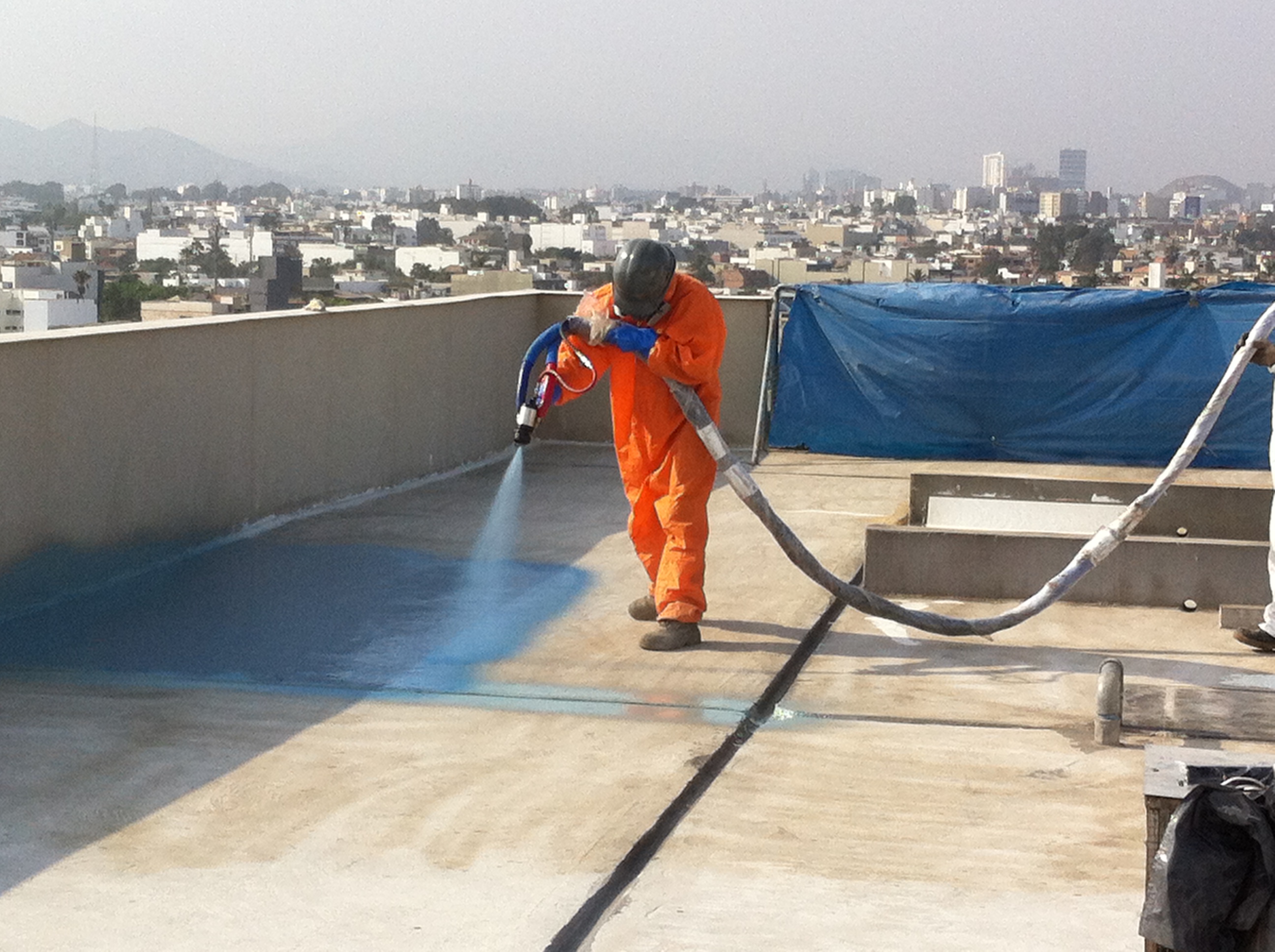
What the range shares is chemistry. All of it is 100% solids polyurea: no shrinkage on cure, no solvent entrapment, gel in seconds, tack-free in under a minute, and elongation in the 300–400% range. What varies is build, hardness, tear strength, and flexibility — and those are the dials that get set by substrate, traffic, and movement.
What the range also shares is 7001 Primer. In practice, substrate compatibility is a primer question far more often than a membrane question. That single product is why the same membrane can be specified over TPO, EPDM, asphalt, metal, concrete, and wood.
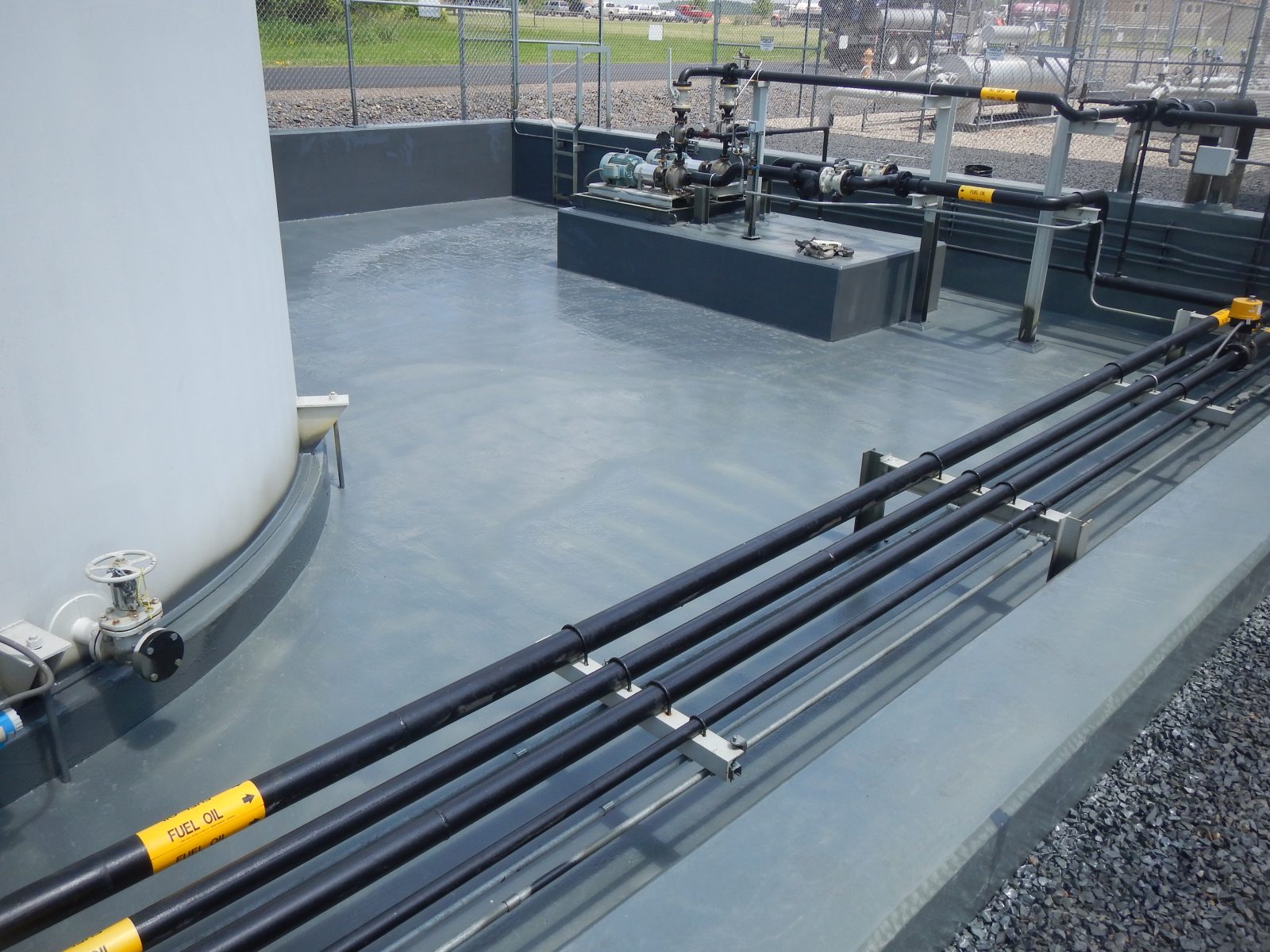
Common Ground Across the Range
Systems in the Field
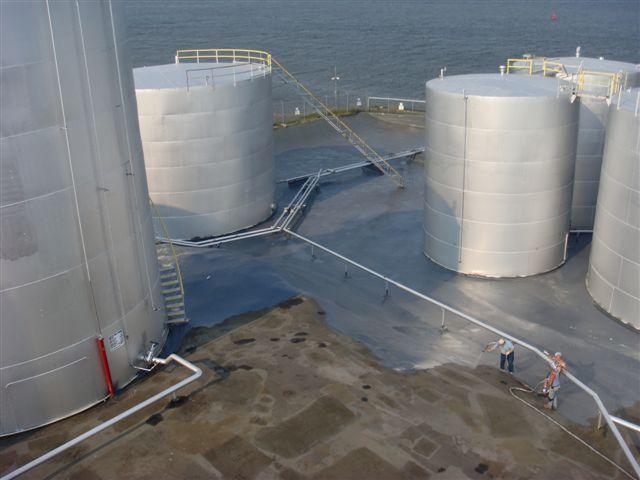
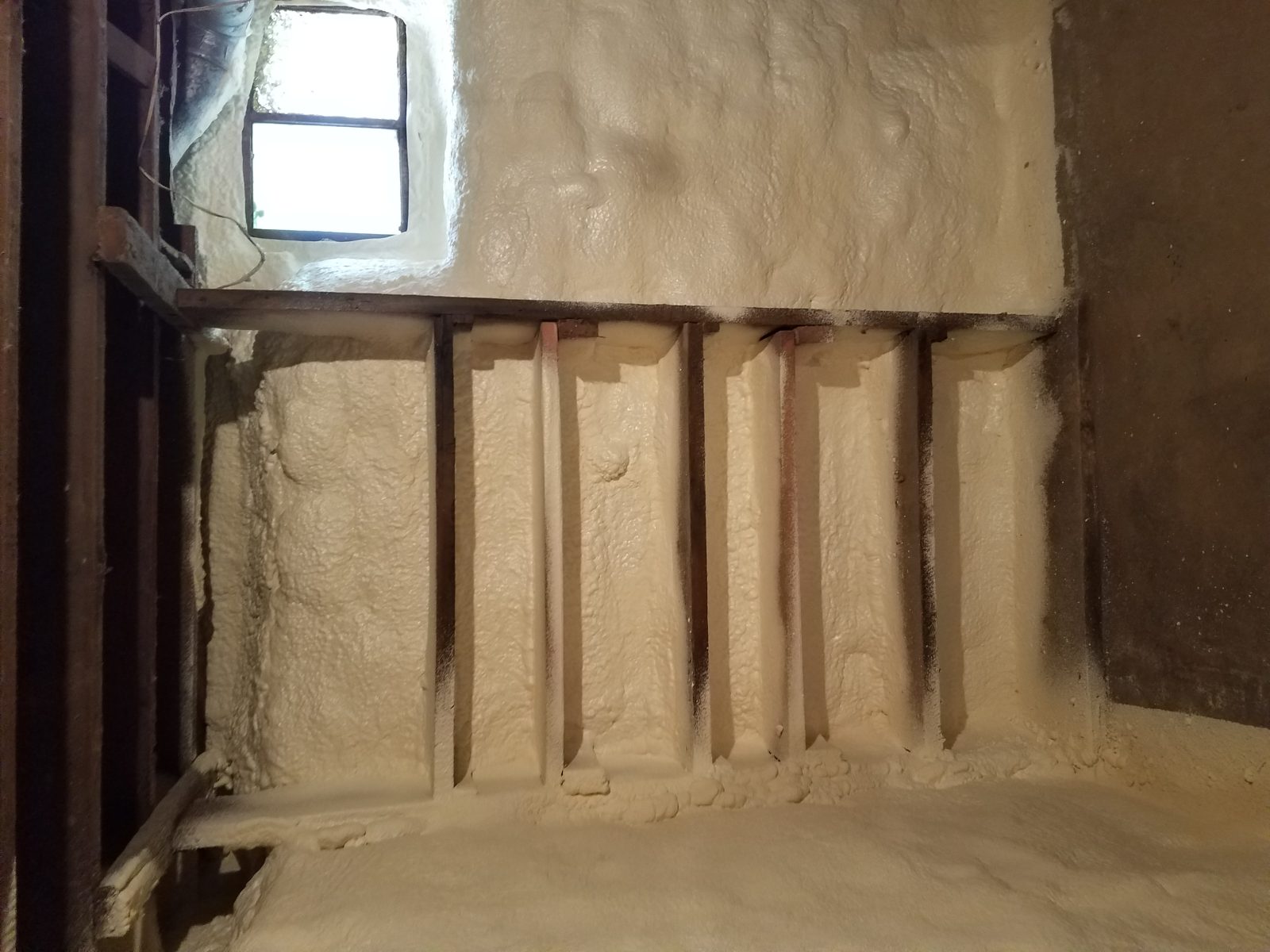
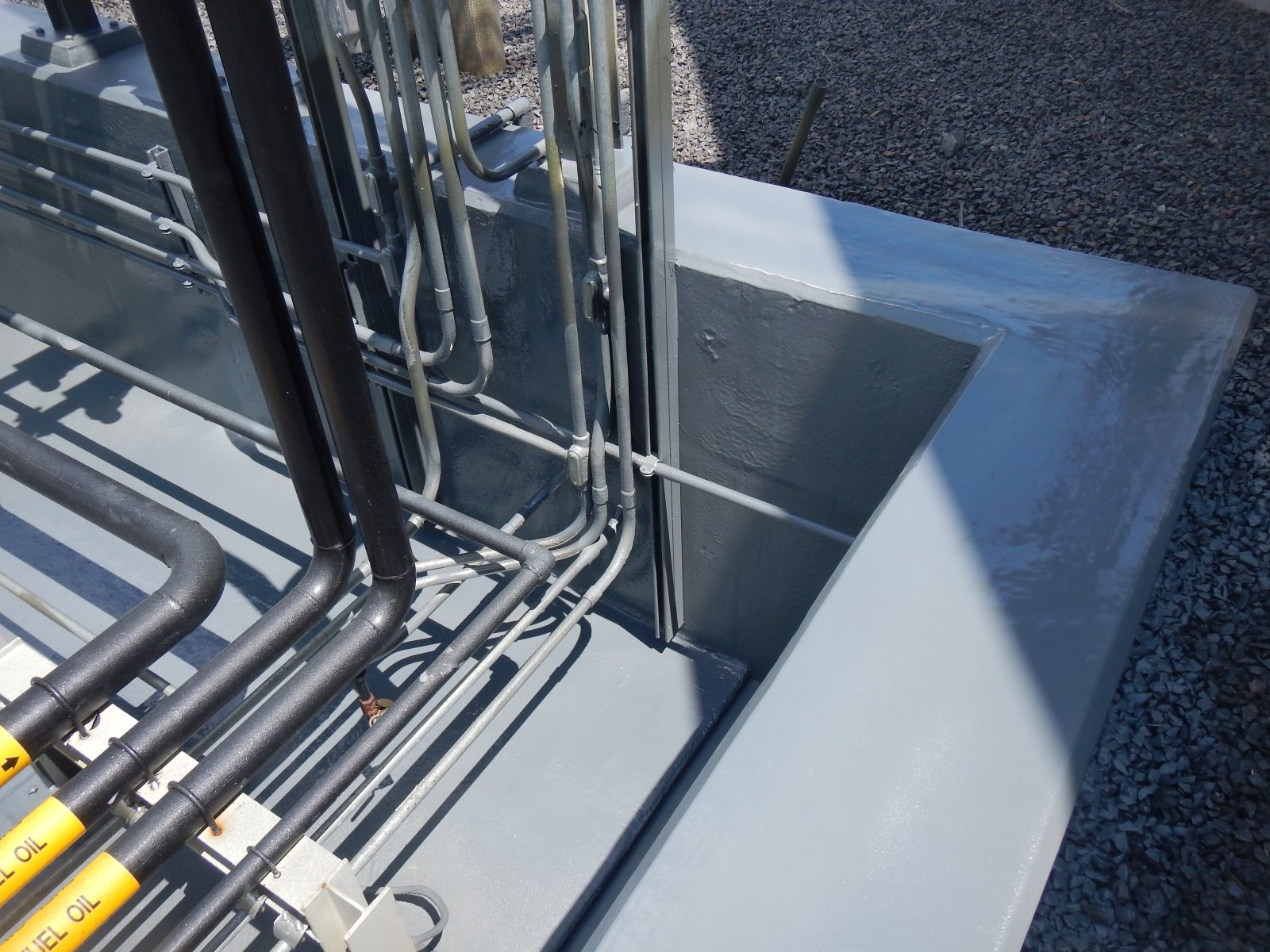
Send Us the Deck and We Will Pick the System
Substrate, square footage, slope, traffic, and climate. That is the whole input. What comes back is a primer call, a product call, a DFT target, and takeoff math — plus wholesale pricing if you are a contractor or distributor.
Get a System SpecGet the System Spec'd for Your Deck
Tell us about your project and we will follow up with product details, technical data sheets, and pricing.
Frequently Asked Questions
Selection Questions
What contractors ask when they are choosing between systems rather than shopping for one.
Choosing Between Systems
Can I use more than one product on the same roof?
Yes, and on most commercial roofs you should. The typical assembly is OR-80SLM across the field, OR7K at curbs and parapets, and FJ1 in the service walkways. Because they are all polyurea, anything applied inside the six-hour recoat window bonds chemically to what is already down — there is no interface between them, just a change in properties.
How do I decide between OR-80SLM and OR7K?
Scope, mostly. OR-80SLM is the full-roof membrane where the roof is the asset — commercial decks, metal buildings, foam-over assemblies, high-wind regions where Miami-Dade approval is relevant. OR7K is the waterproofing polyurea for details, transitions, gutters, and small structures. On a large roof you will usually use both.
When is Flak Jacket 1 actually necessary?
When something physical happens to the roof surface. Regular foot traffic to rooftop equipment, tool drops during service visits, a roof deck people use, or a building in a hail belt. It is specified zonally at 80–100 mil rather than across the whole plane, because paying for high-build in areas nobody touches is wasted money.
Why is Alasta Seal separate from the rest?
Because RV, camper, trailer, and manufactured-home roofs are a genuinely different structural problem — thin, light, and flexing continuously rather than seasonally. Alasta Seal was developed for that flex profile. Putting a stiffer full-roof membrane on a highway-going trailer stresses the bond line every mile.
Substrate & Primer
Do I need 7001 Primer on every substrate?
Nearly always, and it is the cheapest insurance on the job. The clear exception is properly blasted bare steel, where polyurea can go direct. Everything else — aluminum, TPO, EPDM, PVC, asphalt, concrete, wood, previously coated surfaces — should be primed. On aluminum it is mandatory, and on asphaltic roofs it is doing double duty as a bleed-block.
How do I know if an aged single-ply will take a coating?
Test it. Wash a representative area, prime it, spray a patch, let it cure, and pull it. Aged TPO and EPDM vary enormously depending on manufacturer, age, and exposure, and no data sheet can tell you what a specific twenty-year-old roof will do. Silicone-coated roofs are the hardest case and often need removal or aggressive abrasion.
When does the roof need spray foam instead of just a membrane?
Two triggers. If water stands on the roof, foam is how you re-slope it — a membrane over a ponding roof is still a ponding roof. And if the building has an energy or condensation problem, closed-cell foam adds continuous R-value with no thermal bridging at the fasteners, which a 60-mil membrane cannot do. On industrial roofs the foam-and-coat assembly is routine, not exotic.
What thickness should I specify?
As a starting point: 40–60 mil for metal, 50 mil over primed single-ply, 60 mil over asphaltic and over foam, 60–80 mil on concrete, and 80–100 mil for FJ1 traffic zones. Then adjust for exposure and expected service life. Send us the specifics and we will confirm the number rather than have you guess.
Estimating, Equipment & Buying
How do I calculate material for a mixed-product roof?
Everything in the range is 100% solids, so one gallon yields 1,604 mil-sq-ft regardless of which product it is. Divide by your target mils per zone, sum the zones, then add 10–15% for overspray, stripe passes, and surface irregularity — more on corrugated panel or foam, which have significantly more surface area than their plan dimension.
Is the whole range sprayed with the same equipment?
Yes. A plural-component proportioner with heated hose — Graco Reactor E-20 or E-30 class or equivalent — runs all of it. Foam requires the same machine class with different settings. Switching products between zones on a job is a material change, not an equipment change.
How does a liquid system compare in cost to tear-off and re-roof?
Restoration is typically a fraction of full replacement, and it avoids disposal, structural exposure, and business interruption. It also often qualifies as maintenance rather than capital expenditure. The honest limit: if the insulation is saturated or the deck is compromised, restoration is not a cheaper option — it is a different and wrong one.
Do you sell to contractors only, or to building owners as well?
Both. We ship nationwide to end users, contractors, and dealers, and we can refer building owners to a trained applicator. Contractors and distributors receive wholesale pricing — include your region and volume with your inquiry and we will attach the schedule.
Still Deciding Between Two Systems?
Give us the substrate, the traffic, and the climate and we will make the call with you — including the case for doing nothing yet.
Ask a Question